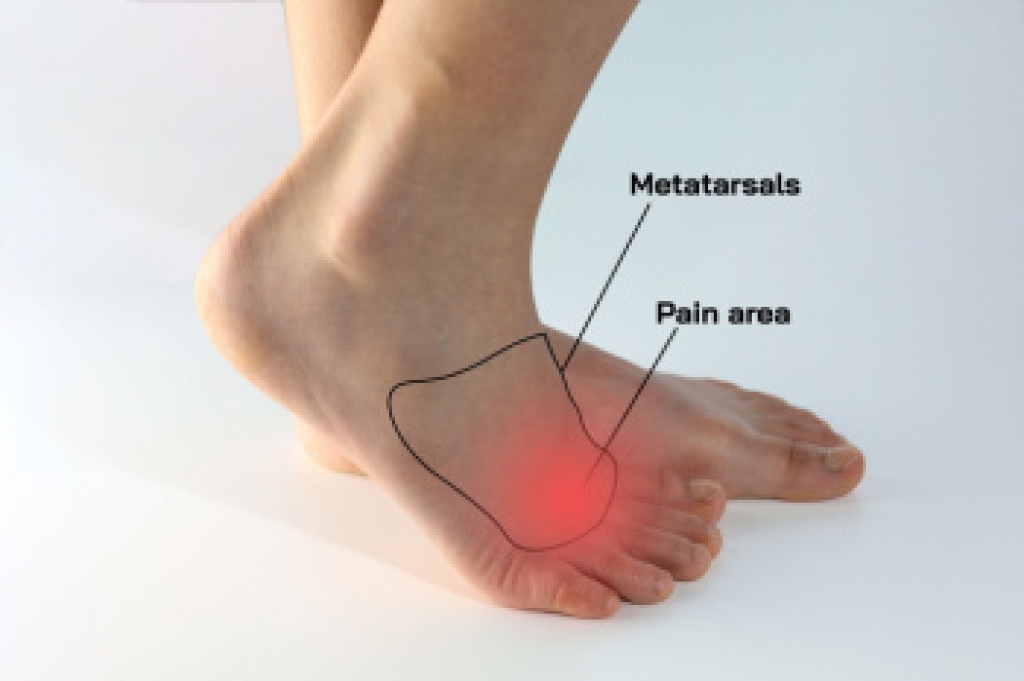
Protecting Your Feet When Living With Obesity

Extra body weight places greater pressure on the feet with every step. This added stress can affect bones, joints, muscles, and soft tissues, making daily movement more difficult. People who are obese are more likely to experience heel pain, arch pain, and discomfort in the ball of the foot. The extra force can also change the way the feet move while walking, increasing strain on important structures that support the foot. Foot pain can make staying active more challenging, creating a cycle that affects both mobility and overall health. Research also shows that obesity is linked to reduced balance and higher pressure across the bottom of the feet, especially in weight-bearing areas. These changes can reduce comfort and increase fatigue throughout the day.

Obesity can also increase the risk of foot conditions that interfere with normal movement. Flat feet can become more noticeable because added weight places greater stress on the arch. Plantar fasciitis, which causes pain near the heel, can also develop from repeated strain. Arthritis can become more painful because the joints carry heavier loads while walking. A podiatrist carefully examines the feet, evaluates walking patterns, and identifies areas receiving too much pressure. This detailed assessment helps guide treatment that supports healthier foot function. Shoes that lack proper support can increase discomfort and reduce stability, making proper shoe selection an important part of care.

A podiatrist creates a treatment plan based on each patient's symptoms, foot structure, and daily activities. Treatment includes custom orthotics,  wearing supportive shoes, and regular monitoring of foot health. Orthotics improve foot alignment and reduce pressure on painful areas. Regular evaluations help identify changes before problems become more serious. Early care can improve comfort, increase stability, and help people move with greater confidence. If you have symptoms of foot pain related to obesity, it is suggested that you schedule an appointment with a podiatrist for effective relief and treatment solutions.

The more you weigh, the harder your feet must work to support your body. If you’re an obese individual and are concerned about your feet, contact David Lambarski, DPM from Northeast Foot Care. Our doctor can provide the care you need to keep you pain-free and on your feet.

Obesity and Your Feet

People who are overweight are putting more pressure on their ankles, knees, and hips as well as their feet. This unfortunately can lead to variety of different issues.

Problems & Complications Stemming from Obesity

  • When the body is overweight, it tries to compensate by changing the way that it moves. An obese person may lean forward and put extra weight on the wrong part of the foot. This puts unnecessary stress on the feet.
  • Obese people are also more likely to develop type II diabetes which is a condition that causes a lot of foot problems. People with diabetes often don’t feel the cuts and sores that they may have on their feet, which can lead to more complicated and severe issues.
  • Plantar fasciitis is another foot condition that can be caused by obesity. Plantar fasciitis is an inflammation of the tissue along the bottom of the foot, which causes pain and stiffness while walking and climbing stairs.

If you have any questions please contact our offices located in Amsterdam and Clifton Park, NY . We offer the newest diagnostic and treatment technologies for all your foot and ankle needs.

Read more about Obesity and the Feet

Protecting Your Achilles Tendon With Proper Foot Care

As people age, the Achilles tendon naturally changes. This strong band of tissue connects the calf muscles to the heel bone and helps make walking, climbing stairs, and standing on tiptoe possible. Research shows that aging reduces the tendon's ability to handle repeated stress. Its fibers become less organized, blood flow decreases, and the tendon becomes less flexible. These changes increase the risk of pain, small tears, and complete ruptures. Age-related changes can also slow the body's natural healing process after an injury. While active adults can develop Achilles tendon problems, the risk becomes greater with advancing age because the tendon does not repair itself as efficiently. Pain and stiffness near the back of the heel can make daily activities more difficult and limit mobility.

Patients with age-related Achilles tendon problems can notice pain while walking, swelling, and tenderness above the heel. Some people also feel stiffness after resting or have difficulty pushing off the ground when taking a step. A podiatrist begins with a thorough examination to determine the cause of the pain and evaluate how well the tendon is working. Imaging studies, like ultrasound or MRI scans, can provide a clearer view of tendon damage when necessary. Early diagnosis helps identify whether the problem involves inflammation, small tears, or more advanced wear within the tendon. Understanding the condition allows the podiatrist to develop a treatment plan that matches the patient's symptoms and activity level.

A podiatrist offers several treatment options that focus on reducing pain, improving movement, and supporting tendon function. Treatment includes custom orthotics, stretching programs supervised by the provider, and advanced therapies that encourage healing. Patients also receive guidance about wearing shoes that provide proper support to reduce unnecessary strain on the tendon while walking. When tendon damage is severe and other treatments do not provide enough relief, surgery can become the best option to restore function. Addressing Achilles tendon problems early helps protect mobility and supports long-term foot and ankle health. If you have symptoms of age-related Achilles tendon problems, it is suggested that you make an appointment with a chiropractor for diagnosis and treatment.

Achilles tendon injuries need immediate attention to avoid future complications. If you have any concerns, contact David Lambarski, DPM of Northeast Foot Care. Our doctor can provide the care you need to keep you pain-free and on your feet.

What Is the Achilles Tendon?

The Achilles tendon is a tendon that connects the lower leg muscles and calf to the heel of the foot. It is the strongest tendon in the human body and is essential for making movement possible. Because this tendon is such an integral part of the body, any injuries to it can create immense difficulties and should immediately be presented to a doctor.

What Are the Symptoms of an Achilles Tendon Injury?

There are various types of injuries that can affect the Achilles tendon. The two most common injuries are Achilles tendinitis and ruptures of the tendon.

Achilles Tendinitis Symptoms

  • Inflammation
  • Dull to severe pain
  • Increased blood flow to the tendon
  • Thickening of the tendon

Rupture Symptoms

  • Extreme pain and swelling in the foot
  • Total immobility

Treatment and Prevention

Achilles tendon injuries are diagnosed by a thorough physical evaluation, which can include an MRI. Treatment involves rest, physical therapy, and in some cases, surgery. However, various preventative measures can be taken to avoid these injuries, such as:

  • Thorough stretching of the tendon before and after exercise
  • Strengthening exercises like calf raises, squats, leg curls, leg extensions, leg raises, lunges, and leg presses

If you have any questions please feel free to contact our offices located in Amsterdam and Clifton Park, NY . We offer the newest diagnostic tools and technology to treat your foot and ankle needs.

Read more about Achilles Tendon Injuries

Caring for a Broken Ankle

A broken ankle is a serious injury that can affect the bones that form the ankle joint and make standing or walking extremely difficult. It often occurs after a fall, a sports injury, or a motor vehicle accident, although the severity can vary from one person to another. Some fractures involve a small crack in the bone, while others may cause the bones to shift out of their normal position. A broken ankle may also damage nearby ligaments and other soft tissues, making the injury more complex. Because ankle fractures can affect joint stability and long-term mobility, prompt evaluation and treatment are important. Early diagnosis may also help reduce the risk of complications and support proper healing.


Symptoms of a broken ankle usually develop immediately after the injury. Many people experience severe pain, swelling, or bruising around the ankle. Others find it difficult or impossible to put weight on the affected foot. The ankle may appear misshapen if the bones have moved out of alignment. Some individuals also notice tenderness or reduced range of motion because of pain and swelling. Since a severe sprain and a broken ankle can produce similar symptoms, a professional examination and imaging studies are often needed to confirm the diagnosis. Receiving timely care can help protect the joint and improve recovery.


A podiatrist is trained to diagnose and treat broken ankles and other foot and ankle injuries. During an evaluation, the podiatrist examines the ankle, reviews the injury, and determines the most appropriate treatment plan based on the type of fracture. Treatment focuses on restoring proper alignment, protecting the injured area, and supporting normal healing. Ongoing care also helps monitor recovery and improve ankle function as healing progresses. If you are experiencing severe ankle pain, swelling, or difficulty bearing weight after an injury, it is suggested that you consult a podiatrist for an evaluation and appropriate treatment options.

Broken ankles need immediate treatment. If you are seeking treatment, contact David Lambarski, DPM from Northeast Foot Care. Our doctor can provide the care you need to keep you pain-free and on your feet. 

Broken Ankles
A broken ankle is experienced when a person fractures their tibia or fibula in the lower leg and ankle area. Both of these bones are attached at the bottom of the leg and combine to form what we know to be our ankle.

When a physician is referring to a break of the ankle, he or she is usually referring to a break in the area where the tibia and fibula are joined to create our ankle joint. Ankles are more prone to fractures because the ankle is an area that suffers a lot of pressure and stress. There are some obvious signs when a person experiences a fractured ankle, and the following symptoms may be present.

Symptoms of a Fractured Ankle

  • Excessive pain when the area is touched or when any pressure is placed on the ankle
  • Swelling around the area
  • Bruising of the area
  • Area appears to be deformed

If you suspect an ankle fracture, it is recommended to seek treatment as soon as possible. The sooner you have your podiatrist diagnose the fracture, the quicker you’ll be on the way towards recovery.

If you have any questions, please feel free to contact our offices located in Amsterdam and Clifton Park, NY . We offer the newest diagnostic and treatment technologies for all your foot care needs.
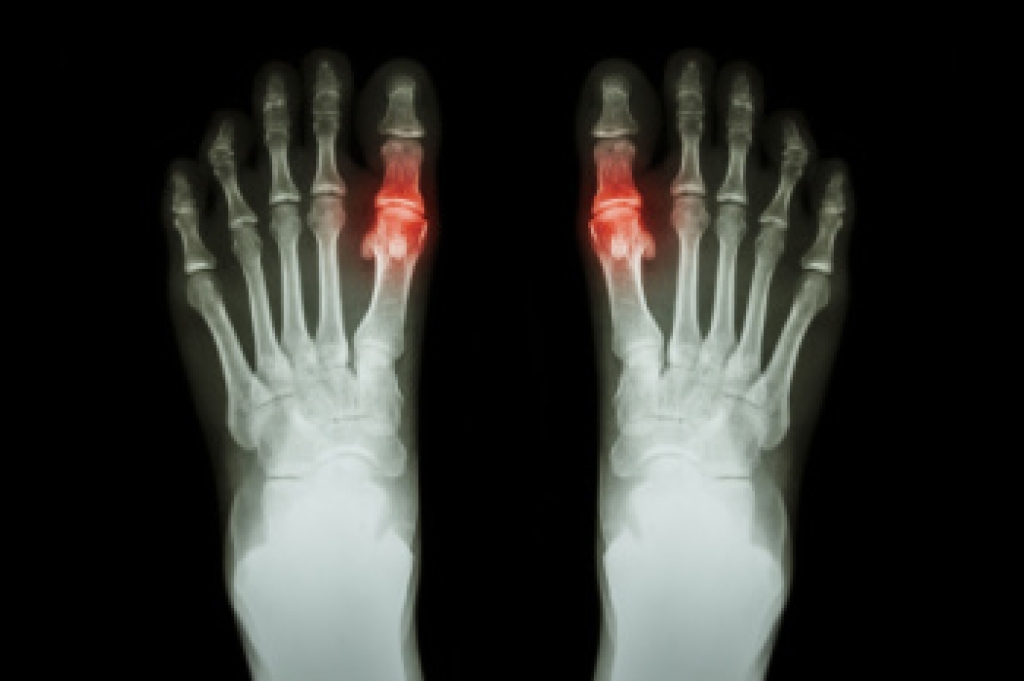

Read more about All About Broken Ankle

Common Causes of Foot Pain and How They Affect Daily Movement

Foot pain is a broad term that describes discomfort in any part of the foot, including the heel, arch, toes, or outer edge. It can result from structural issues, nerve compression, or joint degeneration. Conditions such as tarsal tunnel syndrome, arthritis, and cuboid syndrome are common contributors to persistent pain. Foot pain can also develop from lifestyle habits, including wearing high-heeled shoes that place excess pressure on the forefoot and alter natural foot alignment.

Symptoms of foot pain vary depending on the underlying condition. Tarsal tunnel syndrome often presents as burning, tingling, or numbness along the inner ankle and sole due to nerve compression. Arthritis may cause stiffness, swelling, and reduced joint mobility, especially in the morning. Cuboid syndrome is associated with pain along the outer side of the foot, often described as a sharp or aching sensation during weight bearing. Arch-related discomfort from high heels can lead to fatigue, instability, and strain across the midfoot.


Several risk factors increase the likelihood of developing foot pain. Prolonged standing, high-impact activities, and poor footwear choices can all place excessive stress on foot structures. Individuals with flat feet or high arches may experience uneven weight distribution, which contributes to strain and injury. Wearing high-heeled shoes regularly can shorten the Achilles tendon and increase pressure on the forefoot, leading to long term biomechanical issues. Age, weight, and previous injuries also play important roles.


The causes of foot pain are often linked to repetitive stress, improper alignment, and underlying medical conditions. Early recognition and proper care are essential for maintaining mobility and preventing progression. Wearing supportive footwear, stretching, and professional evaluation can help address the root cause. If you experience any type of foot pain, it is suggested that you consult a podiatrist for an accurate diagnosis and appropriate relief and  treatment solutions.

Foot Pain

Foot pain can be extremely painful and debilitating. If you have a foot pain, consult with David Lambarski, DPM from Northeast Foot Care. Our doctor will assess your condition and provide you with quality foot and ankle treatment.

Causes

Foot pain is a very broad condition that could be caused by one or more ailments. The most common include:

  • Bunions
  • Hammertoes
  • Plantar Fasciitis
  • Bone Spurs
  • Corns
  • Tarsal Tunnel Syndrome
  • Ingrown Toenails
  • Arthritis (such as Gout, Rheumatoid, and Osteoarthritis)
  • Flat Feet
  • Injury (from stress fractures, broken toe, foot, ankle, Achilles tendon ruptures, and sprains)
  • And more

Diagnosis

To figure out the cause of foot pain, podiatrists utilize several different methods. This can range from simple visual inspections and sensation tests to X-rays and MRI scans. Prior medical history, family medical history, and any recent physical traumatic events will all be taken into consideration for a proper diagnosis.

Treatment

Treatment depends upon the cause of the foot pain. Whether it is resting, staying off the foot, or having surgery; podiatrists have a number of treatment options available for foot pain.

If you have any questions, please feel free to contact our offices located in Amsterdam and Clifton Park, NY . We offer the newest diagnostic and treatment technologies for all your foot care needs.
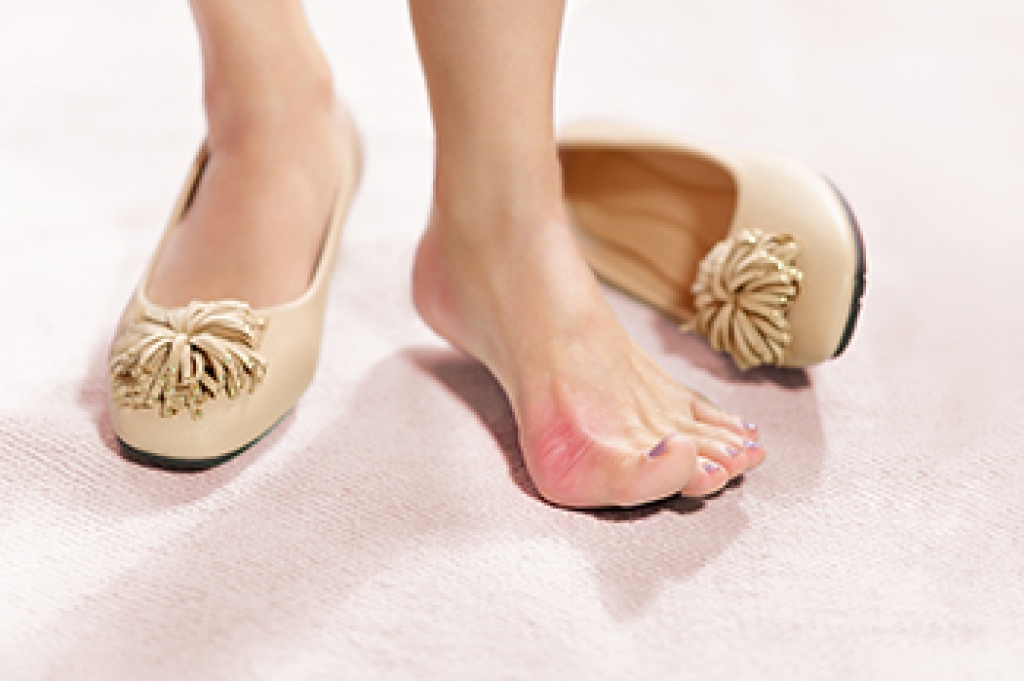
Read more about Foot Pain

Wounds That Don't Heal Need to Be Checked

Your feet are covered most of the day. If you're diabetic, periodic screening is important for good health. Numbness is often a sign of diabetic foot and can mask a sore or wound.

Connect With Us

scroll to top