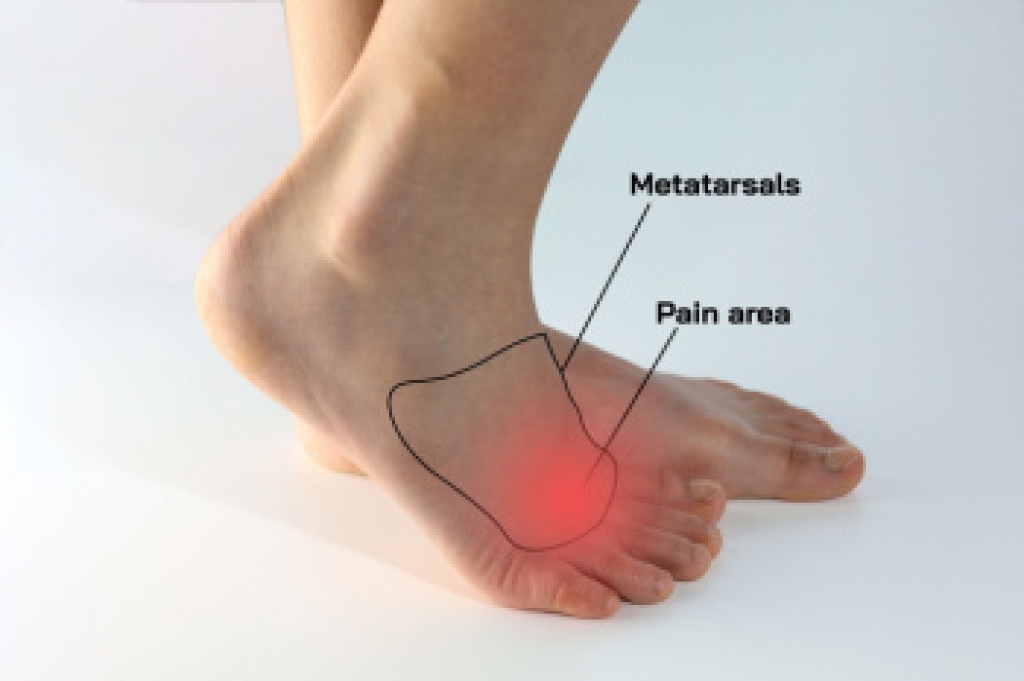
Why Is My Big Toe Numb?

Numbness in the big toe can develop when nerves that supply sensation become irritated, compressed, or damaged. Common causes include injury to the foot, nerve damage, bunions that place pressure on nearby nerves, and wearing tight-fitting shoes that restrict normal circulation and nerve function. Chronic health conditions like diabetes may also contribute to nerve-related changes that lead to numbness. Risk factors include repetitive pressure on the foot, poor footwear choices, structural foot problems, and underlying medical conditions. Symptoms may include tingling, reduced sensation, burning discomfort, or weakness in the toe area. A podiatrist can evaluate nerve health, foot structure, and footwear habits to guide treatment and relieve pressure on affected nerves. If numbness persists, it is suggested that you consult a podiatrist who can offer effective relief and treatment solutions.

Toe pain can disrupt your daily activities. If you have any concerns, contact David Lambarski, DPM of Northeast Foot Care. Our doctor can provide the care you need to keep you pain-free and on your feet.

What Causes Toe Pain?

Most severe toe pain is caused due to a sports injury, trauma from dropping something heavy on the toe, or bumping into something rigid. Other problems can develop over time for various reasons.

Toe pain can be caused by one or more ailments. The most common include:

  • Trauma
  • Sports injury
  • Wearing shoes that are too tight
  • Arthritis
  • Gout
  • Corns and calluses
  • Hammertoe
  • Bunions
  • Blisters
  • Ingrown toenails
  • Sprains
  • Fractures (broken bones)
  • Dislocations

When to See a Podiatrist

  • Severe pain
  • Persistent pain that lasts more than a week
  • Signs of infection
  • Continued swelling
  • Pain that prevents walking

Diagnosis

In many cases the cause of toe pain is obvious, but in others, a podiatrist may want to use more advanced methods to determine the problem. These can range from simple visual inspections and sensation tests to X-rays and MRI scans. Prior medical history, family medical history, and any recent physical traumatic events will all be taken into consideration for a proper diagnosis.

Treatment

Treatments for toe pain and injuries vary and may include shoe inserts, padding, taping, medicines, injections, and in some cases, surgery. If you believe that you have broken a toe, please see a podiatrist as soon as possible.

If you have any questions please contact our offices located in Amsterdam and Clifton Park, NY . We offer the newest diagnostic and treatment technologies for all your foot and ankle needs.

Read more about Toe Pain

Plantar Warts Can Be Treated!

Plantar warts are small growths that develop on parts of the feet that bear weight. They're typically found on the bottom of the foot. Don't live with plantar warts, and call us today!

Protecting Foot Health When You Have Inflammatory Arthritis

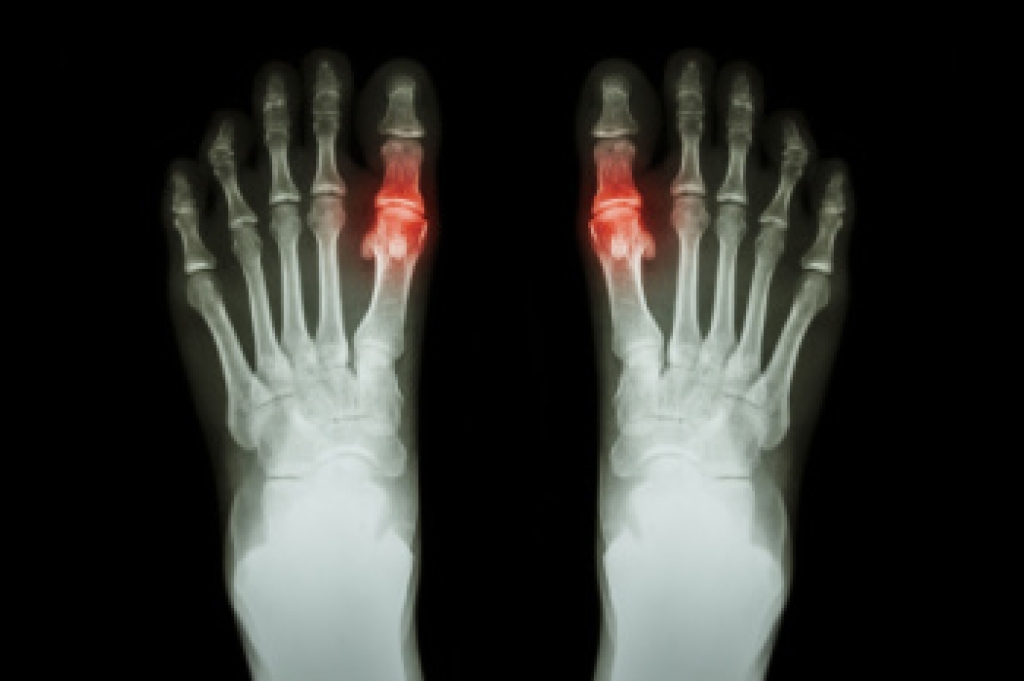
Inflammatory arthritis is a group of conditions in which the immune system causes ongoing joint inflammation. Common types include rheumatoid arthritis, psoriatic arthritis, ankylosing spondylitis, and gout. These conditions often affect the feet and ankles early, leading to pain, swelling, stiffness, and changes in joint structure. Over time, inflammation can alter foot shape, increase pressure points, and make walking difficult. Proper foot care helps reduce discomfort and protect mobility. Wearing supportive footwear with cushioning and adequate toe space can limit joint stress, while custom orthotics may improve alignment and pressure distribution. Gentle movement, stretching, and pacing daily activities can also help manage symptoms. Swelling and joint changes increase the risk of skin irritation, calluses, and nail problems, making routine foot checks important. If foot pain, deformity, or walking difficulty develops, it is suggested that you see a podiatrist for evaluation and appropriate treatment.

Arthritis can be a difficult condition to live with. If you are seeking treatment, contact David Lambarski, DPM from Northeast Foot Care. Our doctor can provide the care you need to keep you pain-free and on your feet.

Arthritic Foot Care  

Arthritis is a joint disorder that involves the inflammation of different joints in your body, such as those in your feet. Arthritis is often caused by a degenerative joint disease and causes mild to severe pain in all affected areas. In addition to this, swelling and stiffness in the affected joints can also be a common symptom of arthritis.

In many cases, wearing ill-fitting shoes can worsen the effects and pain of arthritis. Wearing shoes that have a lower heel and extra room can help your feet feel more comfortable. In cases of rheumatoid arthritis, the arch in your foot may become problematic. Buying shoes with proper arch support that contour to your feet can help immensely.

Alleviating Arthritic Pain

  • Exercises that stretch the foot can prevent further pain and injury and increase mobility
  • Most of the pain can be alleviated with anti-inflammatory drugs, heat, and topical medications
  • Massages can help temporarily alleviate pain.

It is best to see your doctor for the treatment that is right for your needs and symptoms. Conditions vary, and a podiatrist can help you determine the right method of care for your feet.

If you have any questions please feel free to contact our offices located in Amsterdam and Clifton Park, NY . We offer the newest diagnostic tools and technology to treat your foot and ankle needs.

Read more about Arthritic Foot Care

Cracked Heels and Podiatric Care for Relief

Cracked heels are a common foot condition in which the skin surrounding the heel becomes dry, thickened, and split. This occurs when the skin loses moisture and elasticity, making it less able to withstand pressure when standing and walking. Weather changes, especially cold or dry climates, can worsen dryness and contribute to skin breakdown. Symptoms include rough skin, flaking, itching, discomfort, and, in more severe cases, painful fissures that may bleed. Risk factors include prolonged standing, wearing open back footwear, obesity, and underlying medical conditions that affect skin health. A podiatrist can assess the severity, provide professional treatment, and recommend proper skin care. If you have cracked or bleeding heels, it is strongly suggested that you consult a podiatrist who can offer effective treatment solutions, which may include prescribed medication.

If the skin on your feet starts to crack, you may want to see a podiatrist to find treatment. If you have any concerns, contact David Lambarski, DPM from Northeast Foot Care. Our doctor can provide the care you need to keep you pain-free and on your feet.

Cracked Heels

It is important to moisturize your cracked heels in order to prevent pain, bleeding, and infection. The reason cracked heels form is because the skin on the foot is too dry to support the immense pressure placed on them. When the foot expands, the dry skin on the foot begins to split.

Ways to Help Heal Them

  • Invest in a good foot cream
  • Try Using Petroleum Jelly
  • Ease up on Soaps
  • Drink Plenty of Water

Ways to Prevent Cracked Heels

  • Moisturize After Showering
  • Skip a Shower
  • Keep Shower Water Lukewarm
  • Don’t Scrub Your Feet

If you are unsure how to proceed in treating cracked heels, seek guidance from a podiatrist. Your doctor will help you with any questions or information you may need. 

If you have any questions, please feel free to contact our offices located in Amsterdam and Clifton Park, NY . We offer the newest diagnostic and treatment technologies for all your foot care needs.

Read more about Solutions for Cracked Heels

All About Heel Pad Syndrome

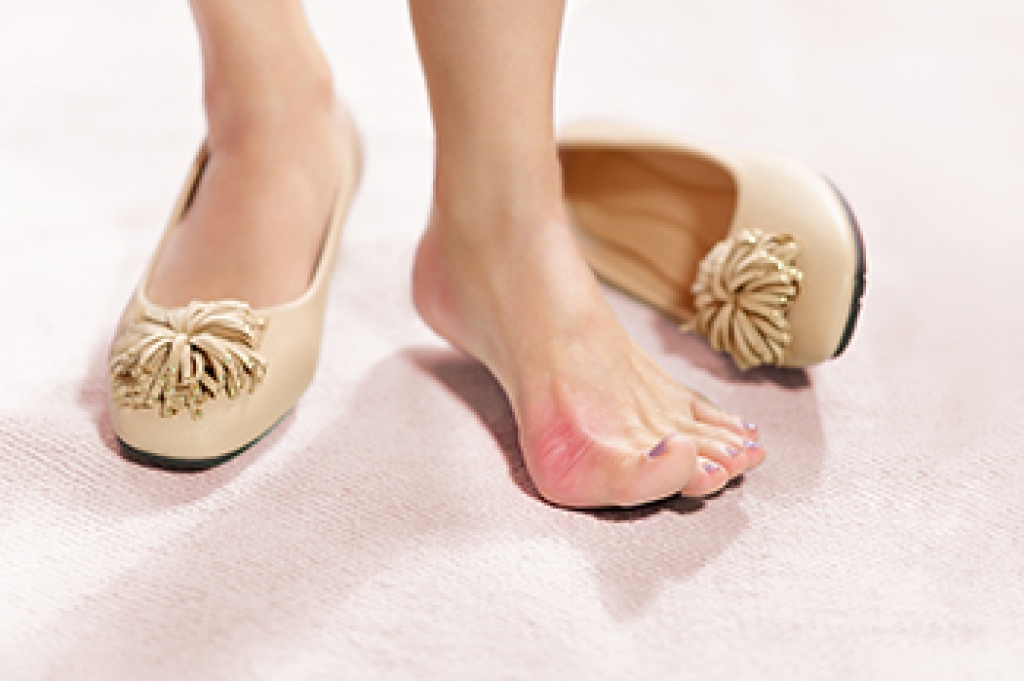
Heel pad syndrome is a source of deep, bruise-like pain felt directly in the center of the heel. The heel contains a thick layer of fatty tissue designed to absorb impact and protect the bone when standing and walking. When this cushioning becomes thinner, irritated, or worn down, pressure transfers into the bone and causes persistent discomfort, especially on hard surfaces or during prolonged activity. Unlike plantar fasciitis, the pain usually stays under the middle of the heel rather than along the arch. Risk factors include aging tissue changes, repetitive impact activities, abnormal foot mechanics, excess weight, and poorly cushioned footwear. A podiatrist can distinguish this condition through examination and imaging when needed. Treatment includes medical padding, custom orthotics, taping techniques, and gait modification. These measures are designed to restore shock absorption and prevent further tissue damage. If you have persistent pain in the center of the heel, it is suggested that you make an appointment with a podiatrist for an exam, diagnosis, and treatment.

Many people suffer from bouts of heel pain. For more information, contact David Lambarski, DPM of Northeast Foot Care. Our doctor can provide the care you need to keep you pain-free and on your feet.

Causes of Heel Pain

Heel pain is often associated with plantar fasciitis. The plantar fascia is a band of tissues that extends along the bottom of the foot. A rip or tear in this ligament can cause inflammation of the tissue.

Achilles tendonitis is another cause of heel pain. Inflammation of the Achilles tendon will cause pain from fractures and muscle tearing. Lack of flexibility is also another symptom.

Heel spurs are another cause of pain. When the tissues of the plantar fascia undergo a great deal of stress, it can lead to ligament separation from the heel bone, causing heel spurs.

Why Might Heel Pain Occur?

  • Wearing ill-fitting shoes                
  • Wearing non-supportive shoes
  • Weight change           
  • Excessive running

Treatments

Heel pain should be treated as soon as possible for immediate results. Keeping your feet in a stress-free environment will help. If you suffer from Achilles tendonitis or plantar fasciitis, applying ice will reduce the swelling. Stretching before an exercise like running will help the muscles. Using all these tips will help make heel pain a condition of the past.

If you have any questions, please feel free to contact our offices located in Amsterdam and Clifton Park, NY . We offer the newest diagnostic and treatment technologies for all your foot care needs.
Read more about Heel Pain

Connect With Us

scroll to top