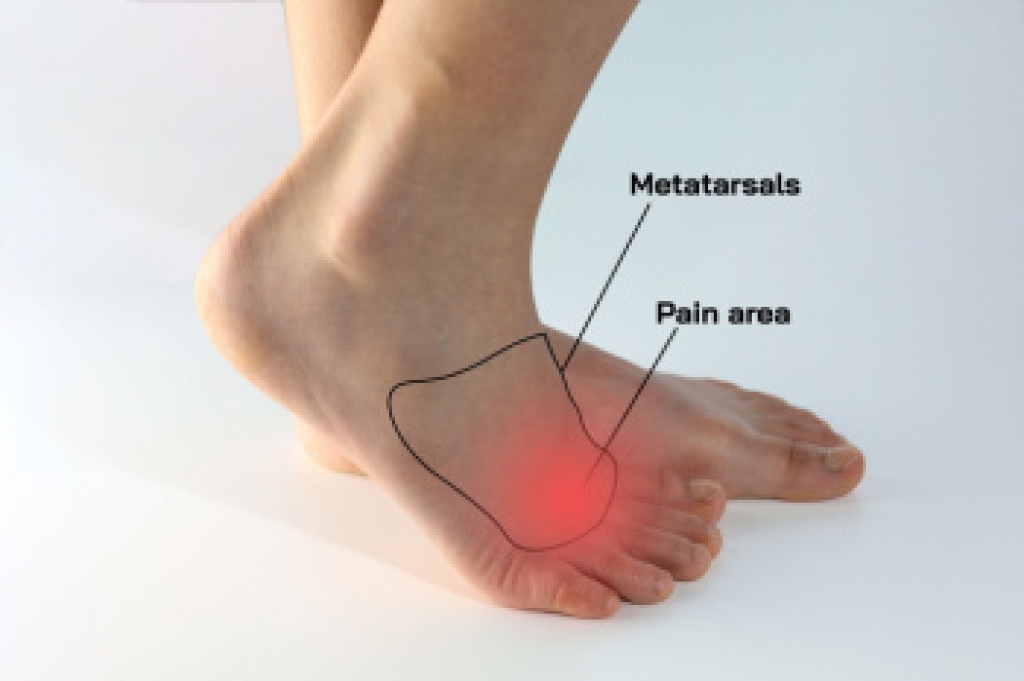
Toenail trimming is a basic part of foot care, but it can become more difficult with age. Reduced flexibility, joint stiffness, and vision changes can make it harder to reach the feet or see the nails clearly. This may lead to nails being cut unevenly or too short, which can cause pain or increase the risk of ingrown nails and infection. Thickened nails are also more common with age, adding another challenge. What begins as a simple task can turn into a source of discomfort if not done properly. A podiatrist can safely trim nails, assess nail health, and identify early signs of fungal infection or other concerns. Regular visits can help prevent complications and maintain comfort while walking. If you have developed toenail problems or if it has become difficult to properly trim your nails, it is suggested that you consult a podiatrist who can help you with this important task.
Everyday foot care is very important to prevent infection and other foot ailments. If you need your feet checked, contact David Lambarski, DPM from Northeast Foot Care. Our doctor can provide the care you need to keep you pain-free and on your feet.
Everyday Foot Care
Often, people take care of their bodies, face and hair more so than they do for their feet. But the feet are a very important aspect of our bodies, and one that we should pay more attention to. Without our feet, we would not be able to perform most daily tasks.
It is best to check your feet regularly to make sure there are no new bruises or cuts that you may not have noticed before. For dry feet, moisturizer can easily be a remedy and can be applied as often as necessary to the affected areas. Wearing shoes that fit well can also help you maintain good foot health, as well as making it easier to walk and do daily activities without the stress or pain of ill-fitting shoes, high heels, or even flip flops. Wearing clean socks with closed shoes is important to ensure that sweat and bacteria do not accumulate within the shoe. Clean socks help to prevent Athlete’s foot, fungi problems, bad odors, and can absorb sweat.
If you have any questions, please feel free to contact our offices located in Amsterdam and Clifton Park, NY . We offer the newest diagnostic and treatment technologies for all your foot care needs.
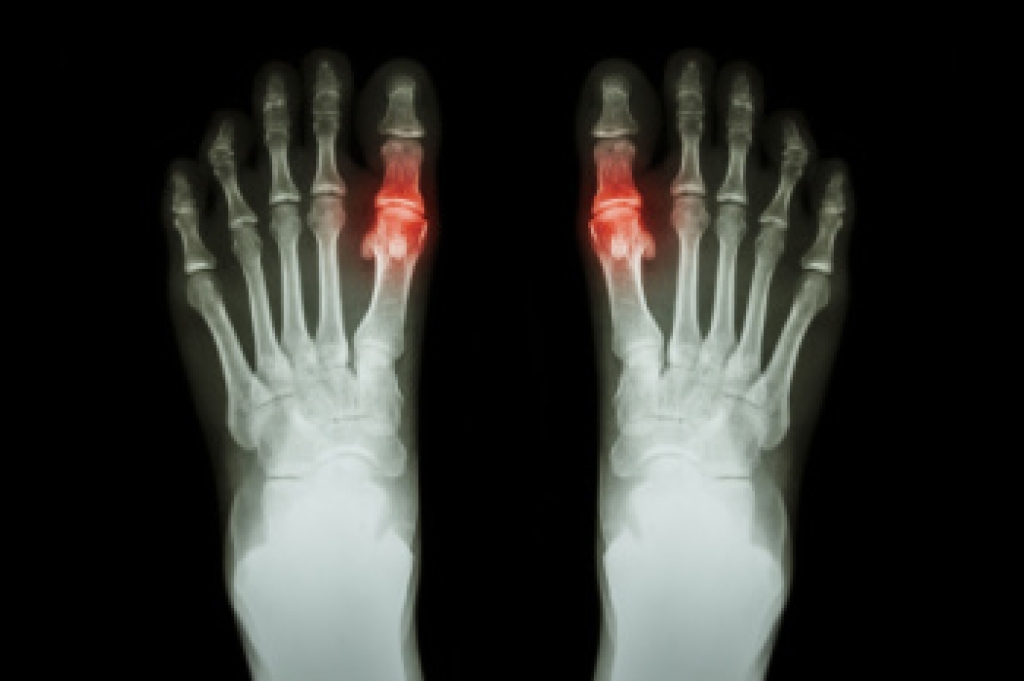

The Achilles tendon is the strong band of tissue that connects the calf muscles to the heel bone, and helps the foot push off during walking and running. Injuries to this tendon may develop from overuse, sudden strain, tight calf muscles, or long-term degeneration. Many people notice pain, swelling, stiffness, or tenderness near the back of the heel, especially during activity or after rest. In some cases, the tendon may partially tear or weaken, over time. Imaging studies can help a podiatrist identify the exact problem and determine how severe the injury has become. Ultrasound and magnetic resonance imaging, also called MRI scans, allow detailed views of the tendon and surrounding tissue. These tests help guide treatment, which may include bracing, orthotics, targeted exercises, anti-inflammatory care, or surgery, for more advanced injuries. Early diagnosis can improve healing and help prevent rupture. If Achilles tendon pain continues to worsen or limit movement, it is suggested that you visit a podiatrist for an evaluation and appropriate treatment.
Achilles tendon injuries need immediate attention to avoid future complications. If you have any concerns, contact David Lambarski, DPM of Northeast Foot Care. Our doctor can provide the care you need to keep you pain-free and on your feet.
What Is the Achilles Tendon?
The Achilles tendon is a tendon that connects the lower leg muscles and calf to the heel of the foot. It is the strongest tendon in the human body and is essential for making movement possible. Because this tendon is such an integral part of the body, any injuries to it can create immense difficulties and should immediately be presented to a doctor.
What Are the Symptoms of an Achilles Tendon Injury?
There are various types of injuries that can affect the Achilles tendon. The two most common injuries are Achilles tendinitis and ruptures of the tendon.
Achilles Tendinitis Symptoms
Rupture Symptoms
Treatment and Prevention
Achilles tendon injuries are diagnosed by a thorough physical evaluation, which can include an MRI. Treatment involves rest, physical therapy, and in some cases, surgery. However, various preventative measures can be taken to avoid these injuries, such as:
If you have any questions please feel free to contact our offices located in Amsterdam and Clifton Park, NY . We offer the newest diagnostic tools and technology to treat your foot and ankle needs.

A Lisfranc fracture is a break or injury to the bones and joints in the middle of the foot that support the arch and connect the forefoot to the rest of the foot. Because the symptoms can resemble a sprain, this injury is often overlooked. Pain in the mid-foot, swelling, and difficulty bearing weight are common signs. Bruising on the bottom of the foot may be present. A podiatrist can perform a detailed exam and order imaging tests, such as X-rays or advanced scans, to confirm the diagnosis. Early detection is important to prevent long-term joint damage and loss of stability. Treatment depends on the severity and may include immobilization, supportive devices, or surgery to restore proper alignment. Care focuses on protecting the arch and guiding recovery. If you have symptoms of a Lisfranc fracture, it is suggested that you schedule an appointment with a podiatrist for a diagnosis and appropriate treatment.
A broken foot requires immediate medical attention and treatment. If you need your feet checked, contact David Lambarski, DPM from Northeast Foot Care. Our doctor can provide the care you need to keep you pain-free and on your feet.
Broken Foot Causes, Symptoms, and Treatment
A broken foot is caused by one of the bones in the foot typically breaking when bended, crushed, or stretched beyond its natural capabilities. Usually the location of the fracture indicates how the break occurred, whether it was through an object, fall, or any other type of injury.
Common Symptoms of Broken Feet:
Those that suspect they have a broken foot shoot seek urgent medical attention where a medical professional could diagnose the severity.
Treatment for broken bones varies depending on the cause, severity and location. Some will require the use of splints, casts or crutches while others could even involve surgery to repair the broken bones. Personal care includes the use of ice and keeping the foot stabilized and elevated.
If you have any questions, please feel free to contact our offices located in Amsterdam and Clifton Park, NY . We offer the newest diagnostic and treatment technologies for all your foot care needs.
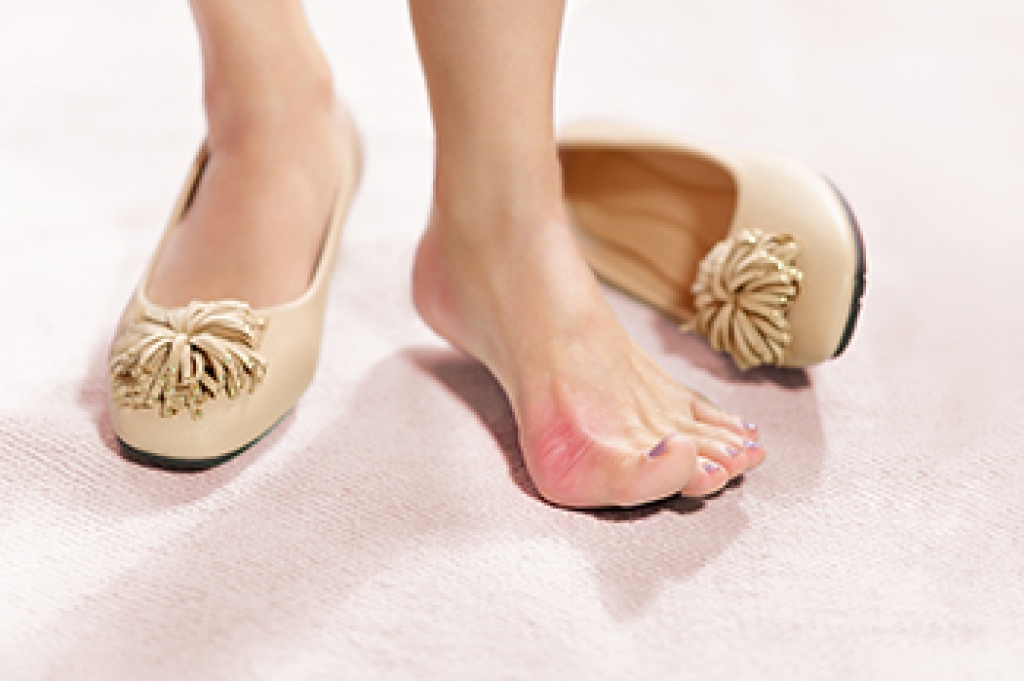
Pain on the bottom of the foot can come from plantar fasciitis or plantar warts, and the source is not always obvious at first. Plantar fasciitis typically causes a deep, aching, or sharp pain near the heel, especially with the first steps in the morning or after rest. The area may feel tight and sore, but usually does not show visible skin changes. In contrast, plantar warts are caused by a viral infection and often appear as small, rough growths with a thickened surface. They may have tiny black dots and can cause pain when direct pressure is applied while standing or walking. A podiatrist can distinguish between these conditions through a clinical exam and recommend appropriate care. Treatment options include supportive footwear, custom orthotics, and targeted exercises for plantar fasciitis, and specialized removal or topical therapy for warts. If you have pain in the bottom of your foot, it is suggested that you make an appointment with a podiatrist.
Foot Pain
Foot pain can be extremely painful and debilitating. If you have a foot pain, consult with David Lambarski, DPM from Northeast Foot Care. Our doctor will assess your condition and provide you with quality foot and ankle treatment.
Causes
Foot pain is a very broad condition that could be caused by one or more ailments. The most common include:
Diagnosis
To figure out the cause of foot pain, podiatrists utilize several different methods. This can range from simple visual inspections and sensation tests to X-rays and MRI scans. Prior medical history, family medical history, and any recent physical traumatic events will all be taken into consideration for a proper diagnosis.
Treatment
Treatment depends upon the cause of the foot pain. Whether it is resting, staying off the foot, or having surgery; podiatrists have a number of treatment options available for foot pain.
If you have any questions, please feel free to contact our offices located in Amsterdam and Clifton Park, NY . We offer the newest diagnostic and treatment technologies for all your foot care needs.

Connect With Us